
How to Choose the Right Paint Sheen for Each Room
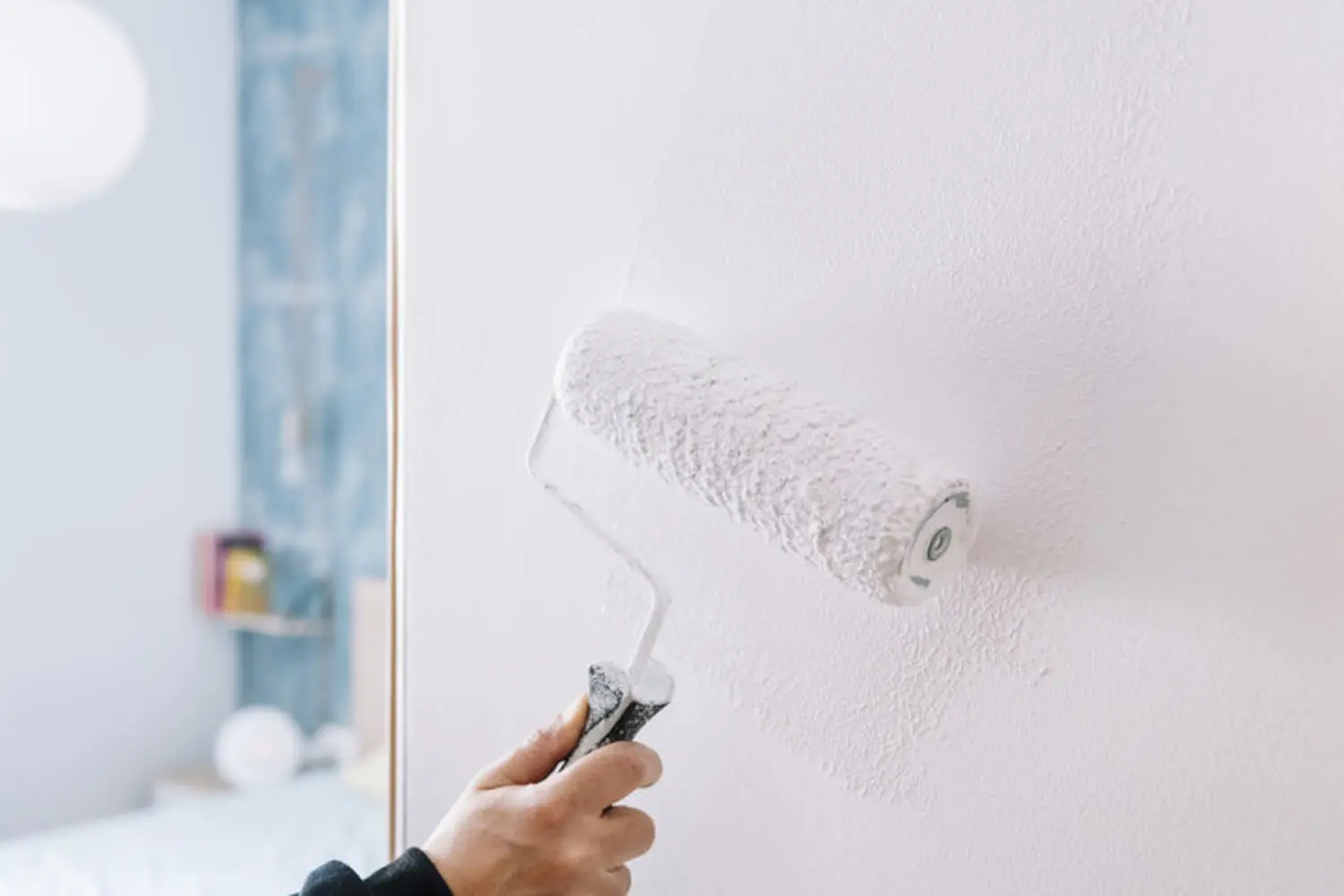
You’ve picked your colors. You know which rooms you want to repaint. Then someone asks what finish you want, and the question draws a blank. Flat? Eggshell? Satin? Semi-gloss? Most homeowners spend hours on color and about thirty seconds on sheen — and that’s where things go wrong.
Sheen is a performance decision as much as an aesthetic one. The wrong finish in a bathroom peels. Flat paint in a hallway becomes impossible to clean. A high-sheen finish on an imperfect wall makes every patch visible under light. These aren’t minor issues. They’re the reason paint jobs don’t hold up or don’t look right — and they’re almost always avoidable. This blog walks through how to choose paint sheen for each room, what local conditions in Maple Grove affect the decision, and what to tell your painter before the project starts.
What Sheen Actually Does — and Why It’s a Performance Decision
Paint sheen is the degree to which a dried paint film reflects light. The formula determines it. More resin in the mix means a harder, smoother film that reflects light directly. More pigment means a softer, more porous surface that scatters light instead.
That difference affects four things at once:
- How a color reads on the wall
- How well the surface resists moisture and abrasion
- How easily you can clean it
- How forgiving it is of wall imperfections
The spectrum runs from flat and matte at one end to high gloss at the other, with eggshell, satin, and semi-gloss in between. Each step up the spectrum adds durability and washability. Each step up also reduces the surface’s ability to hide flaws. If you want a deeper look at how each finish level differs in terms of sheen percentage and use cases, that breakdown covers the basics well.
One more thing worth knowing before getting into rooms: the same color looks different across sheen levels. A color you test in flat will read slightly darker and softer than the same color in satin. Satin reflects more of the light spectrum back at you. Always test your color in the exact sheen you plan to use before buying full gallons.
How Minnesota’s Climate and Your Wall Condition Shape the Choice
Two variables shape sheen selection in Maple Grove homes beyond just the room type: wall condition and Minnesota’s interior climate.
Wall condition matters because sheen and surface imperfections are directly related. The higher the sheen, the more light reflects off the surface, and the more visible any flaw becomes. Patches, texture variation, nail pops, and settlement cracks that disappear under flat paint become obvious under satin or semi-gloss. Maple Grove’s housing stock is full of homes built in the 1980s and 1990s. Those walls have had decades of repairs, patches, and repaints. Sheen selection has to account for that history — or the prep work has to be thorough enough that higher sheens won’t expose it.
Minnesota’s interior climate adds three more variables:
- Dry winter air. Heating systems run from October through April and drive indoor humidity extremely low. In those dry conditions, flat and matte finishes become more brittle and harder to touch up cleanly. Satin holds up better through a Minnesota winter in high-use rooms.
- Low natural light. Maple Grove gets limited daylight for months at a time. Rooms facing north or with small windows can feel darker than the color chip suggested. Flat absorbs more light. Eggshell and satin reflect more back into the room. In a naturally dark space, a slight sheen can work in your favor.
- Summer humidity. Minnesota summers bring real humidity that stresses paint in wet rooms. Semi-gloss in bathrooms and kitchens isn’t just a standard recommendation. In this climate, it’s the finish that holds up through seasonal humidity swings that lower sheens won’t handle as well over time.
Living Rooms and Dining Rooms Call for Eggshell, With One Exception
Eggshell is the default for living rooms and dining rooms. It gives walls a clean, quiet finish that doesn’t compete with furniture or artwork. It hides minor surface variation well. And it handles the moderate use these rooms typically see.
The Minnesota light angle matters here. In Maple Grove’s darker winter months, eggshell reflects just enough light to keep a room from feeling flat and heavy. Flat paint in a room that already gets limited natural light can make colors read darker and more muted than you intended — something worth considering when you select both color and finish together.
The one exception: step up to satin if your household includes young children, pets, or frequent entertaining. Satin is more washable and holds up to repeated light cleaning without looking shiny or commercial. It’s a meaningful durability upgrade for the right lifestyle.
Flat paint on living room walls works only in low-traffic situations where cleaning will never be a need. Any mark requires a touch-up rather than a wipe. For most Maple Grove households, that trade-off isn’t worth it.
Bedrooms Are Where Flat Paint Actually Belongs
Flat paint earns its place in adult bedrooms. Low traffic, no moisture, no cleaning demands. The conditions are ideal for a finish that prioritizes visual softness over durability.
Flat absorbs light rather than reflecting it. That makes colors read richer and deeper on the wall — a quality most people want in a bedroom, especially with the warmer palettes that suit Maple Grove’s long, dark winters well.
When eggshell makes more sense:
- Kids’ bedrooms where walls need occasional cleaning
- Any bedroom shared with pets
- Guest rooms that see unpredictable use
The slight sheen bump from eggshell is worth the added cleanability in those situations.
Ceilings in every room get flat — no exceptions. Any sheen above flat on a ceiling makes roller texture and lap marks visible under light. This applies to bedrooms, living rooms, hallways, and every other room in the house. Ceiling paint is a flat-finish product for this exact reason.
Kitchens Need Satin on the Walls and Semi-Gloss Where It Counts
Satin is the baseline for kitchen walls. It resists the ambient moisture that cooking generates. It handles light splatter and steam. And it cleans without the surface absorbing grease the way flat or eggshell would over time.
Near the stove and sink, step up to semi-gloss. These areas see direct moisture, heat, and cooking splatter on a daily basis. Semi-gloss holds up to repeated degreasing in a way satin cannot sustain over years of use. The harder resin film makes the difference.
Cabinet sheen is a related decision that usually comes up at the same time as wall color. If you’re thinking through what color to paint your kitchen cabinets, sheen goes hand in hand with that choice. Semi-gloss on cabinets reads cleaner and more contemporary. Satin reads a little softer. Either works — but both require proper degreasing and priming to hold up under daily use.
Flat and eggshell don’t belong in a kitchen at all. Their porous surfaces absorb grease and cooking vapor. No amount of gentle cleaning removes that once it sets into the film.
Bathrooms Require Semi-Gloss — and Here’s What Happens Without It
Semi-gloss is the standard for bathrooms, and it’s earned that status. A shower raises the humidity sharply. The room then cools as the steam clears. That repeated cycle puts real mechanical stress on a paint film. Higher-resin formulas like semi-gloss stay flexible and adhere better through that expansion and contraction. Lower-sheen formulas don’t.
What happens when flat or eggshell goes on a bathroom wall:
- The porous surface absorbs moisture
- The film bubbles and begins to peel from behind
- In poorly ventilated bathrooms, mildew establishes itself beneath the paint
This is one of the most common paint failures in Maple Grove homes built in the 1980s and 1990s. It almost always traces back to the wrong sheen. It’s also one of the most avoidable interior painting mistakes a homeowner can make.
Wall condition matters more in bathrooms than anywhere else. Semi-gloss reveals every patch and imperfection under bathroom lighting. Walls need sanding and careful priming before semi-gloss goes on — or the finish makes repairs more visible, not less.
Satin is an acceptable compromise in a bathroom with a well-functioning exhaust fan and good ventilation. It won’t perform as well over years of humidity cycles, but it’s a defensible choice when wall condition makes semi-gloss a risk.
Hallways Take More Abuse Than Any Other Wall in the House
Hallways see more repeated wall contact than any other room. Shoulders, bags, hands near light switches, furniture moving through — the walls take impact daily. The finish has to match that load.
Satin is right for most hallways. It’s durable enough to wipe down repeatedly. Its sheen level is low enough that it doesn’t highlight every scuff or imperfection on an older wall. In a narrow hallway in a 1990s Maple Grove home where the drywall isn’t perfectly smooth, satin is more forgiving than semi-gloss while still holding up to daily contact.
Semi-gloss makes sense in very high-traffic entryways — particularly near the garage entry in a Minnesota home where wet boots, muddy coats, and kids coming in from October through April mean cleaning happens constantly. The cleanability advantage is real. The trade-off is that wall prep has to be thorough before semi-gloss goes on.
Flat in a hallway is a mistake that shows up fast. Marks from contact don’t wipe off. The surface deteriorates quickly in a corridor that sees daily use.
Trim and Doors Get Semi-Gloss Every Time
Semi-gloss on all trim is the industry standard, and the reason is simple. Trim takes direct, repeated contact that walls don’t. Hands on door frames. Bags and furniture against baseboards. Doors opening and closing hundreds of times a year. The surface has to resist abrasion and clean easily.
The harder resin film of semi-gloss handles that abrasion and wipes clean without losing its sheen. The visual contrast between semi-gloss trim and eggshell or flat walls also defines the architecture of a room. It’s the difference between trim that reads as a finished detail and trim that disappears into the wall.
Flat paint on trim fails within weeks in any occupied home. It marks on contact, can’t clean without damaging the surface, and requires constant touch-ups. Flat belongs on ceilings and low-traffic walls only.
The Two Sheen Mistakes That Show Up Most in Maple Grove Homes
Mistake one: wrong sheen in wet rooms. Flat or eggshell in bathrooms, kitchens, or laundry rooms. The failure pattern is consistent. The paint looks fine for a year or two. Then it starts bubbling, peeling, or developing mildew in the corners. The finish wasn’t wrong because of the color or brand. It was wrong because the sheen level couldn’t handle the moisture environment the room produces every day.
Mistake two: high sheen on unprepared walls. Semi-gloss on walls that haven’t been properly patched, sanded, and primed makes every flaw visible under light. Once the paint is on, the only fix is more prep work and a repaint. This shows up frequently in Maple Grove homes where previous paint jobs added layers without addressing the surface underneath. The higher the sheen, the more unforgiving the wall has to be.
Both mistakes are avoidable. Matching sheen to room function and wall condition before the project starts prevents both of them. That’s exactly the conversation to have with a painter before the estimate gets written.
What to Tell Your Painter Before the Project Starts
A homeowner who understands sheen going into an estimate can evaluate what a proposal actually includes and ask the right questions. Here are the defaults for a Maple Grove whole-home repaint:
- Living rooms and dining rooms: eggshell, or satin for high-activity households
- Adult bedrooms: flat
- Kids’ bedrooms: eggshell
- All ceilings: flat
- Kitchens: satin on walls, semi-gloss near the stove and sink
- Bathrooms: semi-gloss
- Hallways and entryways: satin
- All trim, doors, and baseboards: semi-gloss
These defaults cover the majority of situations in a 1980s–2000s Maple Grove home. Ask your painter whether they recommend any adjustments based on wall condition in specific rooms, and whether the prep scope changes based on the sheen level going on. A painter who addresses both of those questions thinks about the result, not just getting the job done.
If you’re planning an interior repaint and want room-by-room sheen guidance alongside your color decisions, request a free estimate. A professional walk-through will cover what your specific walls need, what finish makes sense in each room, and what a well-planned interior painting project in Maple Grove should look like from start to finish.